Street ArtGraffitiDocumentation
Street Art and Graffiti in Virtual Galleries
25/01/20268 min
## The Preservation Challenge for Street Artists
Street art and graffiti exist in tension with permanence. Murals are painted over, walls are demolished, weather erodes careful work, and legal complications can require rapid removal. The ephemeral nature of public art creates significant documentation challenges for artists seeking to build lasting portfolios.
Virtual galleries provide essential solutions for street artists wanting to preserve and exhibit work that may no longer exist in physical form.
## Documenting Street Work for Virtual Exhibition
Quality documentation is crucial for street artists. Unlike studio work that can be photographed under controlled conditions, public murals must be captured in situ with all the complications of outdoor shooting—variable lighting, obstructions, reflections, and access limitations.
Capture work at multiple times of day to find optimal lighting conditions. Shoot from various angles and distances. Include context shots showing the work in its environment, alongside detail shots revealing technique and texture.
Consider video documentation for larger pieces. Slow pans across murals can convey scale and detail that single photographs miss. Time-lapse footage of creation processes adds compelling narrative content.
## Translating Environmental Context to Virtual Spaces
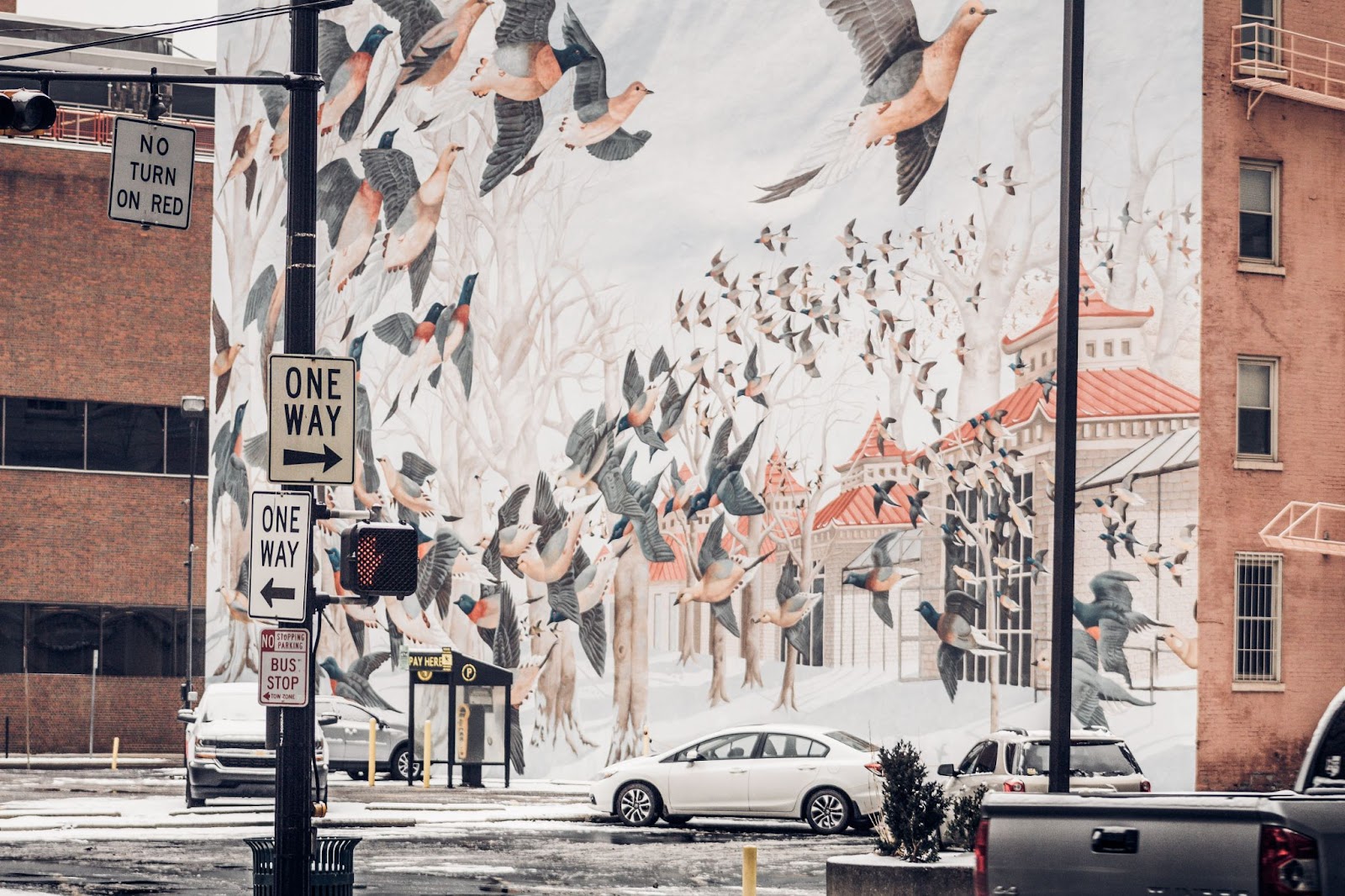
Street art gains meaning from its context—the neighborhood, the building, the cultural moment. Virtual exhibition loses this site-specificity, but thoughtful presentation can partially compensate.
Include contextual documentation alongside the artwork itself. Photographs of the surrounding environment help viewers understand the original setting. Maps or written descriptions place work geographically and culturally.
Explain the significance of specific locations. Why did you choose this particular wall? What community connection does the site hold? How does the work interact with its environment?
## Creating Coherent Street Art Exhibitions
Street art portfolios often span diverse locations, styles, and time periods. Virtual galleries allow you to create thematic coherence from this variety through thoughtful curation.
Organize by projects or series rather than simply chronologically. Group related works that explore similar themes or techniques. Create clear exhibition sections that help viewers navigate your body of work.
Consider the journey you want visitors to experience. How should they move through your street art career? What story does the sequence tell?
## Legal and Attribution Considerations
Street art occupies complex legal territory. Documenting work doesn't eliminate potential complications, but virtual exhibitions provide ways to share work without requiring viewers to visit locations that may involve trespassing or other legal issues.
Be thoughtful about how you present commissioned work versus unauthorized pieces. Respect property owners and communities where you've worked. Your exhibition framing can acknowledge the ethical complexities inherent in street art practice.
## Connecting With the Street Art Community
Virtual galleries can serve as hubs for street art community engagement. Share your exhibition through street art forums, social media groups, and networks of fellow artists.
Invite collaboration. Joint exhibitions featuring multiple street artists can attract broader audiences and create dialogue across different styles and approaches. The virtual format removes geographical barriers that might otherwise prevent such collaborations.
## From Streets to Collectors
Many street artists have successfully transitioned to gallery sales and collector relationships while maintaining their public practice. Virtual exhibitions provide bridges between these worlds.
Your online gallery introduces potential collectors to your vision and style. Those who appreciate your street work may be interested in studio pieces, prints, or commissioned works. Virtual presence converts public art appreciation into sustainable support for your practice.
## Building a Lasting Archive
Beyond exhibition, virtual galleries serve archival functions. Work that has been destroyed or painted over lives on in your digital documentation. Future researchers, curators, and fans can discover pieces that no longer exist physically.
Treat your virtual gallery as a permanent record. Maintain consistent documentation standards. Include dates, locations, and any relevant context that future viewers might need to understand the work's significance.
## The Unique Value of Street Art Exhibition
Street art brings distinctive energy to virtual gallery contexts. The rawness, the connection to real places and communities, and the courage required to create work in public all translate into compelling exhibition experiences.
Your virtual gallery allows you to share this work with global audiences who may never visit the neighborhoods where your murals appeared. That expansion of access honors the democratic spirit that often motivates street art in the first place.
Street art and graffiti exist in tension with permanence. Murals are painted over, walls are demolished, weather erodes careful work, and legal complications can require rapid removal. The ephemeral nature of public art creates significant documentation challenges for artists seeking to build lasting portfolios.
Virtual galleries provide essential solutions for street artists wanting to preserve and exhibit work that may no longer exist in physical form.
## Documenting Street Work for Virtual Exhibition
Quality documentation is crucial for street artists. Unlike studio work that can be photographed under controlled conditions, public murals must be captured in situ with all the complications of outdoor shooting—variable lighting, obstructions, reflections, and access limitations.
Capture work at multiple times of day to find optimal lighting conditions. Shoot from various angles and distances. Include context shots showing the work in its environment, alongside detail shots revealing technique and texture.
Consider video documentation for larger pieces. Slow pans across murals can convey scale and detail that single photographs miss. Time-lapse footage of creation processes adds compelling narrative content.
## Translating Environmental Context to Virtual Spaces
Street art gains meaning from its context—the neighborhood, the building, the cultural moment. Virtual exhibition loses this site-specificity, but thoughtful presentation can partially compensate.
Include contextual documentation alongside the artwork itself. Photographs of the surrounding environment help viewers understand the original setting. Maps or written descriptions place work geographically and culturally.
Explain the significance of specific locations. Why did you choose this particular wall? What community connection does the site hold? How does the work interact with its environment?
## Creating Coherent Street Art Exhibitions
Street art portfolios often span diverse locations, styles, and time periods. Virtual galleries allow you to create thematic coherence from this variety through thoughtful curation.
Organize by projects or series rather than simply chronologically. Group related works that explore similar themes or techniques. Create clear exhibition sections that help viewers navigate your body of work.
Consider the journey you want visitors to experience. How should they move through your street art career? What story does the sequence tell?
## Legal and Attribution Considerations
Street art occupies complex legal territory. Documenting work doesn't eliminate potential complications, but virtual exhibitions provide ways to share work without requiring viewers to visit locations that may involve trespassing or other legal issues.
Be thoughtful about how you present commissioned work versus unauthorized pieces. Respect property owners and communities where you've worked. Your exhibition framing can acknowledge the ethical complexities inherent in street art practice.
## Connecting With the Street Art Community
Virtual galleries can serve as hubs for street art community engagement. Share your exhibition through street art forums, social media groups, and networks of fellow artists.
Invite collaboration. Joint exhibitions featuring multiple street artists can attract broader audiences and create dialogue across different styles and approaches. The virtual format removes geographical barriers that might otherwise prevent such collaborations.
## From Streets to Collectors
Many street artists have successfully transitioned to gallery sales and collector relationships while maintaining their public practice. Virtual exhibitions provide bridges between these worlds.
Your online gallery introduces potential collectors to your vision and style. Those who appreciate your street work may be interested in studio pieces, prints, or commissioned works. Virtual presence converts public art appreciation into sustainable support for your practice.
## Building a Lasting Archive
Beyond exhibition, virtual galleries serve archival functions. Work that has been destroyed or painted over lives on in your digital documentation. Future researchers, curators, and fans can discover pieces that no longer exist physically.
Treat your virtual gallery as a permanent record. Maintain consistent documentation standards. Include dates, locations, and any relevant context that future viewers might need to understand the work's significance.
## The Unique Value of Street Art Exhibition
Street art brings distinctive energy to virtual gallery contexts. The rawness, the connection to real places and communities, and the courage required to create work in public all translate into compelling exhibition experiences.
Your virtual gallery allows you to share this work with global audiences who may never visit the neighborhoods where your murals appeared. That expansion of access honors the democratic spirit that often motivates street art in the first place.
